探求 Exploration
- 美しいとは何かを、問い続ける。
- 削ぎ落とし、シンプルに。
- Keep asking what beauty means.
- Strip away the excess, and keep things simple.

Japanese papermaking studio
”Kamisuki Hatano”
Purpose
Ultimately, the future.
「このままでは、50年後に石油が無くなります。」
創業者ハタノワタルが小学生の頃、授業で耳にした一言でした。
世界の資源は限られている。それなのに、私たちのくらしはそれを使い切るスピードを緩める気配がない。
今を豊かにするために、未来の資源まで使い切るのか? 結局、欲なのか? 結局、お金なのか?
その小さな違和感を抱えたまま大人になり、いくつかの風景に出会いました。
大学時代の山登りで見た、日本の山々に点在する集落。便利でもきらびやかでもないけれど、過去から知恵や営みを繋いできた、地に足のついたくらし。
旅先で立ち寄った韓国の街。窓や看板、灯り、内装材に、伝統的な韓紙が今もなお日常に息づいているくらし。
過去あったものが未来へ繋がっていくこと。それ自体が、持続可能であったことの何よりの証明なのではないか。
そう気づいたときから、紙漉きの道が始まりました。
私たちは今、京都府綾部市の里山で工房を構えています。
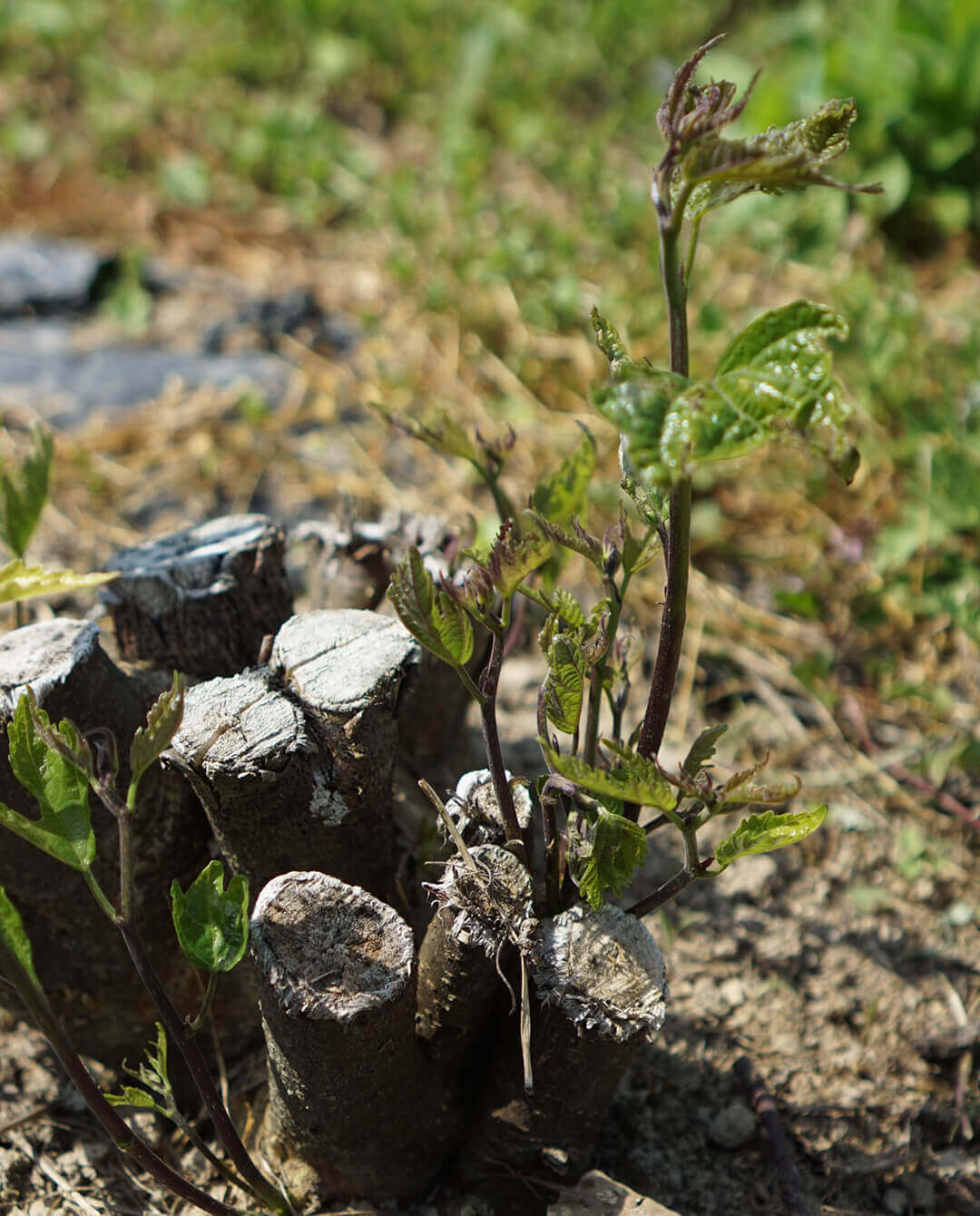
自分たちの手で楮を育て、紙を漉いています。
けれど、ただ紙漉きを続けるだけでは、この伝統も、風景も、くらしも守っていくことはできません。
伝統工芸は、必ずしも生活に必要なものではありません。扱いやすさも、手に取りやすさも、決して優れているとは言えません。
そんな伝統工芸は、どうやったら選んでもらえるのだろうか。
四半世紀以上紙漉きを続けてきた結果、そのヒントは、現代社会で後回しにされがちな「美意識」にある、ということに気づきました。
「美しい」
私たちがそう感じるからこそ、和紙を守りたくなるし、そう感じてもらえるからこそ、和紙が日常に取り入れられる。
和紙が現代のくらしに「美意識」を取り戻すきっかけになることだってできる。
この地で、このやり方で紙漉きを続けることが、次の世代に風景を、人との繋がりを、価値観を、そして誇らしく地に足のついたくらしをつなぐことになる。
私たちはそう信じて、今日も美しさを追求し続けます。
結局、未来のために。
“At this rate, the world will run out of oil in fifty years.”
Wataru Hatano, our founder, heard these words in class when he was in elementary school. The world’s resources are finite, yet the pace at which we use them shows no sign of slowing. Will we consume even the resources of the future to enrich the present? Is it ultimately about desire? Ultimately about money?
He grew up carrying that small sense of unease and, along the way, encountered several landscapes that stayed with him.
During his university years, he encountered settlements scattered through the mountains of Japan while hiking. They were neither convenient nor glamorous, but home to grounded ways of life that had carried knowledge and everyday practices forward from the past.
On a trip to Korea, he visited a town where traditional hanji remained part of everyday life—in windows and signs, lighting, and interior materials.
When something from the past continues into the future, perhaps that continuity itself is the clearest proof that it has been sustainable. This realization marked the beginning of his path into papermaking.
Today, our studio stands in the satoyama landscape of Ayabe, Kyoto. We grow kozo with our own hands and make paper from it.
Yet simply continuing to make paper is not enough to protect this tradition, its landscape, or the way of life around it.
Traditional crafts are not always necessities of daily life. Nor can they always be described as the easiest or most accessible choice.
How, then, might a traditional craft like this continue to find a place in people’s lives?
After more than a quarter of a century of papermaking, we have come to believe that the answer lies in a sense of beauty—something often set aside in contemporary society.
“Beautiful.”
It is because we find it beautiful that we want to protect washi. And when others feel the same, washi can find a place in everyday life. It can even become a way to restore a sense of beauty to contemporary living.
By continuing to make paper here, in this way, we can pass on to the next generation a landscape, human connections, shared values, and a grounded way of life in which people can take pride.
Believing this, we continue our pursuit of beauty each day.
Ultimately, for the future.
Values
Our Promise
01
たとえば、
綾部の畑で楮を育てるところから。
For example,
by growing kozo in the fields of Ayabe.
私たちの仕事は、すべて畑からはじまります。使うのは、1,500年以上前から使われてきた「楮」のみ。その多くを、自分たちの手で育てています。
国産楮を扱う工房は、いまや数えるほどになりました。技術や個々の産地・工房だけを守ろうとしてきた結果、「システム全体としての伝統」は少しずつ痩せ細り、日本の楮農家は姿を消しつつあります。
でも私たちは、この「手漉き和紙」という伝統を、そこに根付き引き継がれてきた人の繋がり、くらしの営みごと未来に残したい。だから、畑を耕すところから和紙作りを始めます。
そして、プロダクト、アート、内装と、様々な形で広がった仕事の利益は、いつも真っ先に畑と紙漉きに還します。派手な部分にお金を回すのではなく、静かに支える根っこに。
畑がなければ、私たちの仕事は生まれないのだから。
All of our work begins in the fields. We use only kozo, a material that has been used in papermaking for more than 1,500 years, and we grow most of it ourselves.
Today, only a small number of studios work with kozo grown in Japan. In trying to protect individual techniques, production regions, and workshops, the tradition as a whole system has gradually weakened, and Japan’s kozo growers are disappearing.
We want to carry the tradition of handmade washi into the future together with the human connections and ways of life that have taken root around it. This is why we begin making washi by cultivating the fields.
The profits generated through products, art, interiors, and the other forms our work takes are returned first to the fields and to papermaking—not to what is most visible, but to the roots that quietly sustain everything.
Without the fields, our work could not exist.
02
たとえば、必要なものだけで、
つくり続けること。
For example,
continuing to make with only what is needed.
黒谷和紙の原料は、楮と水とネリ(粘液)だけ。ネリはトロロアオイという植物から採れる粘液が中心です。
必要なものだけで、必要な分だけ。800年前から変わらない考え方です。
ものづくりの世界では、需要が供給を上回れば、規模を拡大するのが常識です。しかし私たちは、あえてゆっくりと歩みます。
手が、目が、心が届く範囲。
目の前の需要に応えるためだけに急速に大きくなった仕事は、いつか、その需要ごと消えてしまう気がしているから。私たちが繋いでいきたいのは、目の前の利益ではなく、この仕事そのもの。
だから、あえてゆっくりと、でも確かに歩んでいきます。
数は限られる。だからこそ、一枚に、全てを。
Kurotani washi is made from only kozo, water, and neri, a natural formation aid derived mainly from the tororo-aoi plant.
Only what is needed, and only as much as is needed. This way of thinking has remained unchanged for eight hundred years.
When demand exceeds supply, the conventional response is to scale up. We choose instead to move deliberately and slowly.
Within reach of our hands, our eyes, and our hearts.
Work that grows rapidly only to meet immediate demand may one day disappear along with that demand. What we want to carry forward is not short-term profit, but the work itself.
And so we move slowly, but with certainty.
The number we can make is limited. That is why we put everything into every sheet.
03
たとえば、コーヒー豆を、
大切な記憶を、一枚の中に。
For example,
coffee beans or a cherished memory, held within a single sheet.
あるカフェの壁には、そこで焙煎されるコーヒー豆を。
ある家の壁には、家族と過ごした庭の草花や土を。
私たちは、完成した和紙に後から手を加えるのではなく、その方の想いを、らしさを原料に混ぜて和紙を漉いていきます。
素材そのものが繊維の中に溶け込み、一枚の中に留まる。
世界にひとつしかない紙が、その空間だけの物語を静かに語り続けます。
For the wall of a café, we may use coffee beans roasted there. For the wall of a home, plants and soil from a garden shared with family.
Rather than adding to finished washi, we blend each person’s memories and sense of identity into the raw materials before making the paper.
The material itself becomes part of the fibres and remains within each sheet.
A one-of-a-kind sheet of paper quietly continues to tell the story of that particular place.