私たちについて

紙漉キハタノは、京都府綾部市にある和紙工房です。原材料である楮の栽培から加工、紙漉き、プロダクト制作までを一貫して手がけ、長く受け継がれてきた和紙とその文化を、未来へつなぐためのものづくりを行っています。

Kamisuki Hatano is a Japanese papermaking studio based in Ayabe, Kyoto. From growing kozo and preparing its fibres to making paper and everyday objects, our work begins with the soil and continues into contemporary life.

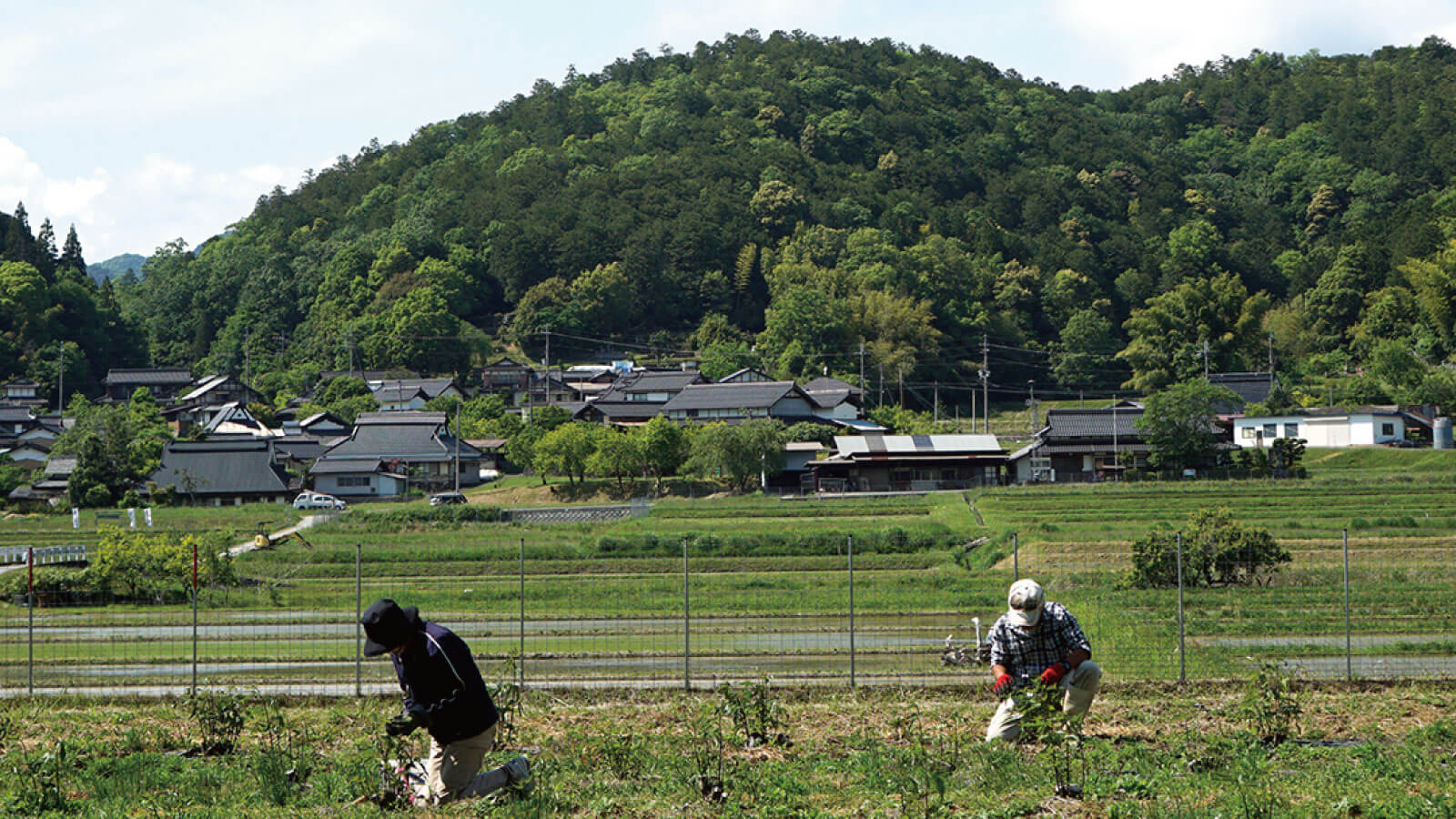
工房の前には、里山と田んぼが広がっています。代表のハタノワタルは、東京の美術大学で油画を学ぶなかで和紙に出会い、綾部で受け継がれてきた黒谷和紙を学ぶため、この地へ移り住みました。

紙の原料となる楮も、工房のまわりの畑で自分たちの手で育てています。冬に収穫した楮を蒸し、皮をはいで、黒皮を取り除き、天日で乾かす。紙を漉く以前の原料づくりから手を離さないことが、私たちのものづくりの土台です。

山から流れる水と、原料を育てる土。紙漉きの仕事は、自然の営みのすぐそばから始まります。山の近くで漉いた紙が、人の暮らしのなかでもう一度役割を持つことを願いながら、日々ものづくりを続けています。

Rice fields and wooded mountains spread out in front of our studio. Wataru Hatano first encountered washi while studying oil painting at art university in Tokyo. He later moved to Ayabe to learn Kurotani washi, a papermaking tradition that has long been passed down in this region.

We grow the kozo used for our paper ourselves in fields around the studio. After harvesting it in winter, we steam the branches, strip and clean the bark, then dry it in the sun. Staying involved from the cultivation and preparation of the raw material is the foundation of everything we make.

Our papermaking begins beside the soil that nurtures the kozo and the water that flows down from the mountains. We continue our work in the hope that paper made here will once again find a place in everyday life.

紙漉キハタノの仕事

紙漉キハタノが楮を育てる畑

私たちの仕事は「土」から始まります。自分たちで育てた楮を原料に紙を漉き、その紙を日々の暮らしに届くかたちへ展開する。紙漉、プロダクト、設計・施工という三つの仕事は、畑での楮栽培からひとつにつながっています。

原料を自分たちで育てることで、植物としての楮の性質を知り、その年の繊維の状態に向き合いながら、紙の強さや表情を考えることができます。素材の始まりから最後のかたちまでを担うことを、私たちは何より大切にしています。

Our work begins with the soil. We make paper from kozo that we grow ourselves, then carry that material into objects and spaces for contemporary life. Papermaking, products, and design and installation are three expressions of one practice, all rooted in the cultivation of kozo.

Growing our own material allows us to understand kozo as a living plant and to respond to the condition of its fibres each year. This knowledge informs the strength and character of the paper. Taking responsibility for the material from its beginning to its final form is central to the way we work.

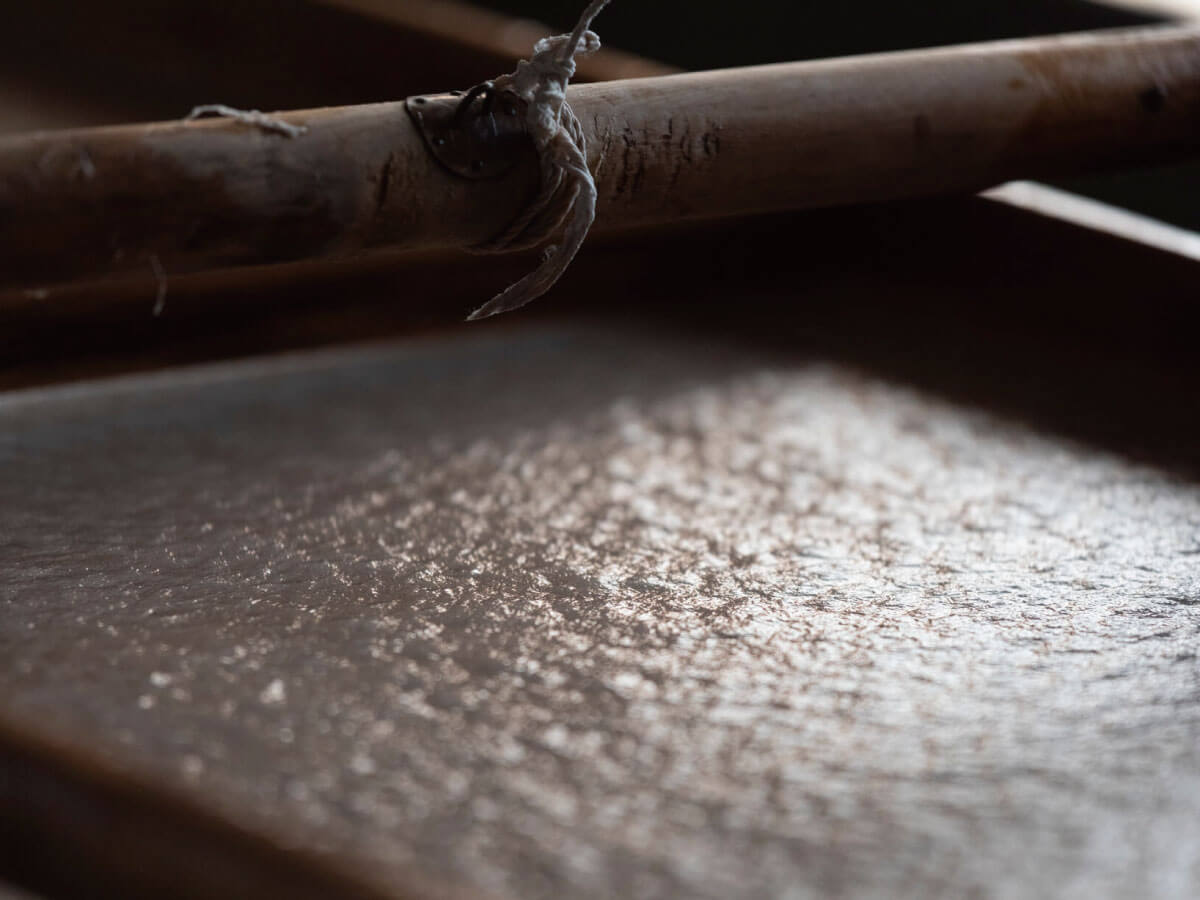
簀桁を使って紙を漉く様子

01 / Papermaking

紙漉

楮の白皮を煮て、傷やごみを取り除き、繊維を細かくほぐす。漉き船に原料とネリを入れ、簀桁をやさしく動かしながら繊維を重ねていきます。

紙漉キハタノが基本とするのは、楮のみを原料とした厚く丈夫な生漉紙です。用途に合わせて土や顔料を混ぜ、その場所や使い方に応じた表情をつくることもあります。

The cleaned inner bark of kozo is cooked, carefully picked free of imperfections, and beaten to loosen its fibres. The fibres and neri, a natural formation aid, are added to the vat and gathered into layers by gently moving the mould through the water.

Our foundation is a strong, substantial paper made entirely from kozo. Depending on its intended use, we may also mix in soil or pigments to create a surface suited to a particular place or purpose.

紙漉キハタノの箱 紙漉キハタノの敷板

02 / Products

プロダクト

紙は、切ることができ、貼ることで立体になり、染めや塗りによって表情を変えます。和紙の風合いを残しながら、暮らしのなかで使い続けられるものを制作しています。

初期から制作を続けている箱や、和紙の質感と金属の剛性を組み合わせた敷板など、和紙を気軽に、実用的なかたちで使うためのものづくりを行っています。

Paper can be cut, shaped by pasting, and transformed through dye and paint. We make objects that preserve the tactile character of washi while being made to live with and use over time.

Our products include boxes that have been part of our practice from the beginning, as well as trays that combine the texture of washi with the rigidity of metal. Each piece explores a practical and approachable way to bring washi into everyday life.

view more
和紙を用いた空間の設計・施工事例 和紙を用いた内装の施工事例

03 / Design & Construction

設計・施工

和紙を現代の空間へつなぐため、素材の特性を生かした設計・施工も行っています。事例やご相談については、設計部門「午後二時設計室」のウェブサイトをご覧ください。

We also undertake design and installation that brings the qualities of washi into contemporary spaces. For projects and enquiries, please visit our design practice, Gogo Niji Design Studio.

午後二時設計室
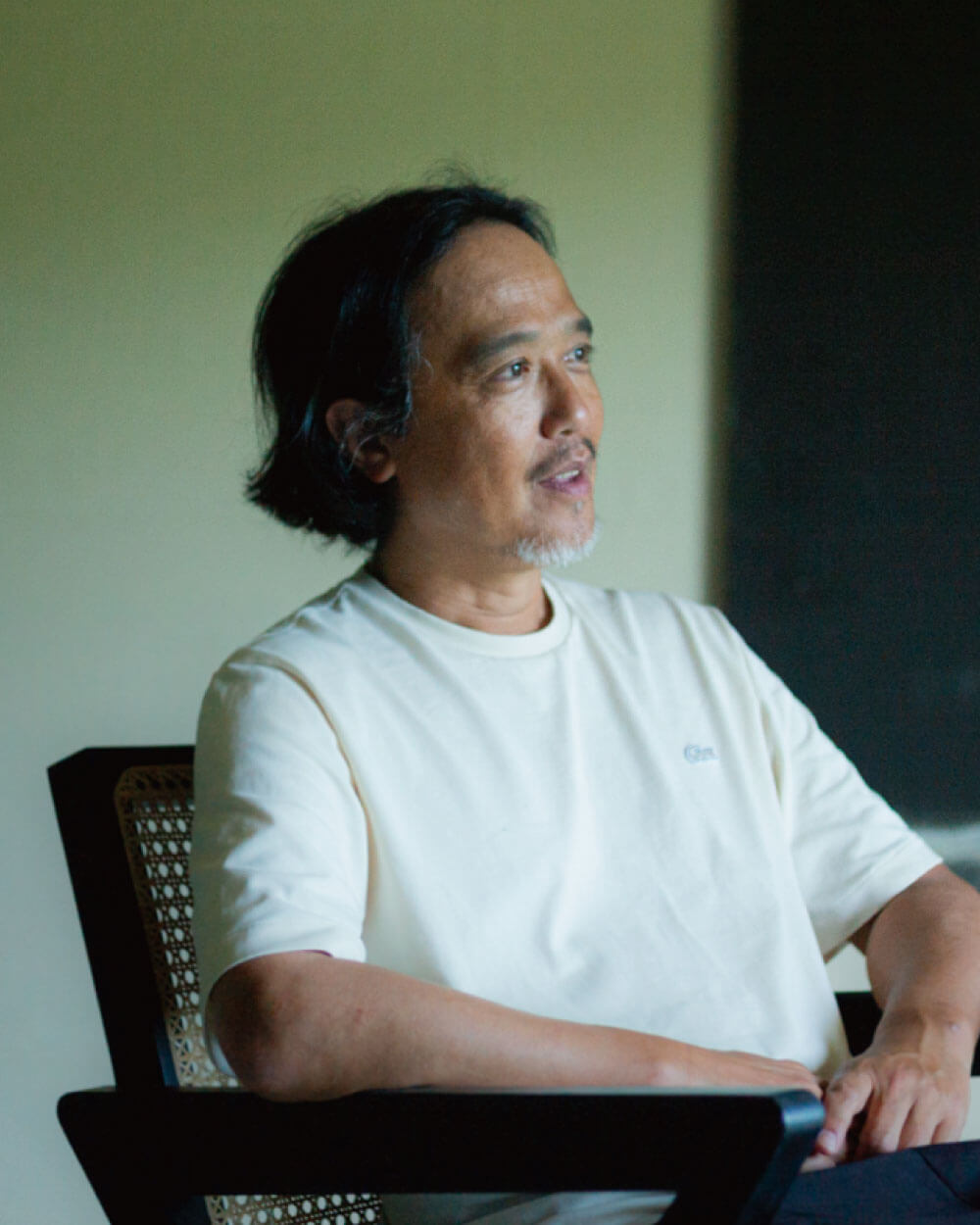
紙漉キハタノ代表 ハタノワタル

紙漉キハタノ 代表

ハタノワタル Wataru Hatano

大学で油画を学ぶなか、絵画の支持体として和紙に出会う。1997年に京都府綾部市へ移り、黒谷和紙の研修生となる。紙漉き職人として独立後、原料となる楮の栽培、手漉き紙、プロダクトへと和紙の可能性を広げながら、現代の暮らしのなかに和紙を残すための仕事を続けている。2018年、紙漉キハタノを設立。

While studying oil painting at university, Wataru Hatano encountered washi as a surface for painting. In 1997 he moved to Ayabe, Kyoto, and began training in Kurotani washi. After establishing himself as an independent papermaker, he expanded his practice from growing kozo and making paper to creating products, continuing to explore how washi can remain part of contemporary life. He founded Kamisuki Hatano in 2018.

1971
兵庫県淡路島生まれ
1995
多摩美術大学絵画科油画専攻卒業
1997
黒谷和紙の研修生となる
2000
黒谷和紙の紙漉き師として独立
2007
京もの認定工芸師に認定
2018
紙漉キハタノを設立
artist website